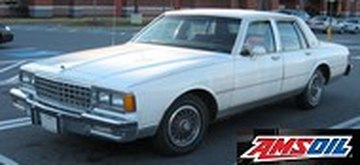
Lubrication Maintenance for the 1982 Chevrolet CAPRICE 4.4L
Maintaining the engine lubrication system in a vehicle like the 1982 Chevrolet CAPRICE 4.4L requires consistent attention to fluid condition and component integrity. As vehicles age, the methods used to monitor and manage engine health become increasingly important for ensuring continued operation. Proper lubrication management involves more than just periodic oil changes; it encompasses a broader understanding of how fluids interact with aging engine components and how to identify early signs of system stress.
Monitoring Fluid Integrity and Potential Leaks
One of the most effective ways to monitor the health of the 1982 Chevrolet CAPRICE 4.4L is through regular visual inspections of the engine bay and undercarriage. Over time, various seals and gaskets may undergo changes in their physical properties due to heat cycles and age. It is useful to look for any evidence of fluid seepage or active leaks around the engine block and associated sealing surfaces.
When performing these checks, consider the following:
- Surface Seepage: Look for oily residue on the exterior of the engine or near mating surfaces. This can indicate that a seal is beginning to lose its effectiveness.
- Puddle Identification: Regularly check the ground where the vehicle is parked. Fresh spots of fluid can provide an early warning of a leak that may not yet be visible within the engine compartment itself.
- Fluid Appearance: If you are checking the oil level using a dipstick, observe the color and texture of the lubricant. While some discoloration is normal due to use, significant changes in consistency or the presence of unexpected contaminants should be investigated.
If any signs of leakage are found, they should be addressed promptly to prevent further issues. Identifying a small seepage early can often prevent more significant fluid loss later on.
Managing Maintenance Records and Service History
For long-term ownership of a 1982 Chevrolet CAPRICE 4.4L, establishing a clear maintenance baseline is highly beneficial. If the previous service history of the vehicle is unknown, the first priority should be to document all current fluid levels, component conditions, and recent repairs. This creates a foundation upon which future maintenance decisions can be made.
Keeping a detailed log of when oil was last changed, what type of lubricant was used, and any observations made during inspections allows an owner to recognize patterns. For example, if you notice that the engine requires more frequent top-offs than it did six months ago, having a written record helps confirm that a change in consumption has actually occurred. This data is invaluable when deciding whether to prioritize certain repairs or when evaluating the overall condition of the vehicle's mechanical systems.
Observing Potential Warning Signs
While many lubrication issues manifest slowly, some symptoms warrant more immediate attention. It is important to distinguish between normal engine operation and signs that may indicate a need for professional diagnosis. Because various mechanical issues can produce similar symptoms, any unusual observation should be treated as a prompt for investigation rather than an immediate diagnosis of a specific part.
Potential indicators that require closer inspection include:
- Changes in Lubricant Consumption: If you find yourself needing to add oil more frequently than usual, it may indicate that the engine is consuming lubricant or that there is an external leak.
- Unusual Noises: Any new mechanical sounds coming from the engine area during startup or operation should be monitored. While noises can stem from many sources, they are often a sign that something in the lubrication or mechanical system requires attention.
- Warning Indicators: If the vehicle is equipped with any oil-related warning lights or indicators on the dashboard, these should never be ignored. An active warning light is a critical signal that the system requires immediate investigation.
Always remember that symptoms like an unusual odor or a change in exhaust appearance can have multiple underlying causes. A professional inspection is often necessary to determine the exact source of the issue.
Prioritizing Maintenance as the Vehicle Ages
As a 1982 Chevrolet CAPRICE 4.4L continues to be driven, maintenance priorities may shift from purely preventive tasks to condition-based management. Rather than following a rigid schedule based solely on age, an effective approach is to prioritize tasks based on the actual state of the vehicle's components.
An owner can manage this by distinguishing between necessary repairs and unnecessary parts replacement. For instance, if a component is functioning perfectly, there may be no need to replace it simply because of the vehicle's age. However, addressing active leaks or responding to observed changes in fluid condition should take precedence over other non-essential maintenance. By focusing on the current condition of the engine and its supporting systems, you can manage maintenance costs more effectively while ensuring the vehicle remains reliable.
Inspecting Auxiliary Components
Beyond the engine itself, several related components should be included in a routine service inspection. If equipped, accessible drive belts should be checked for signs of wear such as cracking, glazing, or fraying. Similarly, if the vehicle has various hoses present, they should be inspected for softness, brittleness, or visible leaks. Maintaining these peripheral components is essential to ensuring that the engine operates within its intended parameters and that all fluid-carrying systems remain intact.
Buying Engine Oil for your 1982 Chevrolet CAPRICE 4.4L
When it is time to replenish or change the lubricant in your 1982 Chevrolet CAPRICE 4.4L, the most important step is to ensure the product matches the specific requirements of your engine. To select the correct oil, match the engine oil to the application-specific viscosity information already displayed on this page.
When shopping for products, consider the following practical steps:
- Verify Product Labels: Always check the labeling on the oil container to ensure it meets the necessary specifications and matches the viscosity listed in your vehicle's application data.
- Evaluate Formulations: Depending on your specific needs, you may choose between conventional, synthetic blend, or full synthetic oils. Some high-mileage oil formulations also contain additives intended for use in aging engines, including seal-conditioning additives.
- Check Certifications: Ensure the oil carries the appropriate API certification to confirm it meets modern quality and performance standards.
By following the application-specific guidance provided on this page, you can ensure that your lubrication choices are appropriate for the 1982 Chevrolet CAPRICE 4.4L engine.